If you are selling a larger lot or rural home in Monkton, you already know it is not the same as selling a typical subdivision property. Buyers are not only looking at the house. They are also looking at access, land use, outbuildings, well and septic details, and what the county records say about the property. The good news is that when you prepare the right information up front, you can reduce surprises and present your property with more confidence. Let’s dive in.
Why Monkton properties need a different approach
In Monkton, value is shaped by more than square footage and finishes. Baltimore County planning materials note that land outside the Urban-Rural Demarcation Line is reserved for agricultural, natural resource protection, and low-density rural residential development. That means zoning and permitted use can directly affect how a buyer sees the property.
Some Monkton properties may also fall within a county historic district. Baltimore County lists Monkton among the county’s historic districts, and certain exterior alterations or site changes can require historic review. If your property is in one of those areas, that is important context for both pricing and buyer expectations.
Conservation easements and land-preservation programs can matter too. Baltimore County maintains rural land preservation and conservation programs, and recorded easements may limit certain uses or future changes. For a seller, those details are part of the property’s value story, not just paperwork.
What buyers usually focus on first
For many rural buyers, the first question is not just “How many acres?” It is “How much of this land is actually usable?” A large lot can be appealing, but usability, access, and restrictions often matter more than gross acreage alone.
Buyers also tend to look closely at whether access is clear and legal. Rural appraisal guidance used in this market emphasizes direct access from a street, road, or driveway with hard-surfaced or all-weather access, or a recorded easement. If your access situation is simple and well documented, that can make your listing easier to understand.
Well and septic information is another major part of due diligence. In Maryland, private well owners are responsible for protecting and testing their own water, and the Maryland Department of the Environment recommends annual sampling by a state-certified laboratory. Baltimore County also notes that for property transfers, water-quality tests are valid for 180 days.
If your home has a septic system, buyers will want to know whether the records match the home’s bedroom count. Maryland’s property disclosure form asks sellers to identify whether sewage disposal is public or septic and, if septic, how many bedrooms the system is approved for. That detail can become very important once inspections and financing begin.
How rural homes are priced
Pricing a larger lot or rural home in Monkton is rarely a simple per-acre calculation. Rural appraisal guidance says the sales-comparison approach is required, and appraisers generally use at least three comparable sales unless adequate comparables are unavailable. Acreage adjustments and unique property features must also be explained.
In plain terms, two homes with similar size can still have very different values. One may have better road access, fewer restrictions, clearer boundaries, or more functional land. Another may have outbuildings that add appeal, but only if those structures support residential use and marketability.
This is where an appraisal-informed pricing strategy matters. You want to look at the home itself, the site, the land’s function, recorded restrictions, and how similar rural properties have actually sold. That kind of pricing work helps you avoid guessing in a market where broad averages can miss the real story.
The records to gather before listing
One of the best ways to prepare for a Monkton sale is to organize your property information before the home hits the market. Rural buyers ask detailed questions, and strong documentation can make your listing feel more credible from day one.
Start by gathering:
- Your deed
- Plat or survey
- Easement or conservation documents
- Septic records
- Well records and recent water-test results
- Permits for additions, barns, sheds, or other outbuildings
University of Maryland Extension advises buyers to review zoning, easement, covenant, and plat restrictions before purchase. When you gather those items in advance, you can answer common questions earlier and reduce back-and-forth later.
Baltimore County GIS and planning maps can also help confirm parcel lines, roads, waterways, buildings, zoning, historic district status, and land-preservation layers. Those tools are useful when you want to understand exactly what buyers will be reviewing.
Watch for zoning, historic, and land-use issues
A rural sale can slow down if zoning or land-use details are unclear. Baltimore County zoning classifications include rural categories and set rules for permitted uses, height limits, and setbacks. If a use is allowed, limited, or nonconforming, that can affect marketability.
If an existing property does not comply with current zoning but is accepted by the local zoning authority, rural appraisal guidance says it should be reported as legal nonconforming. It also notes that any effect on value or marketability should be reflected in the appraisal. That does not automatically mean a deal will fall apart, but it does mean the issue should be understood early.
Historic review is another item to check before making last-minute exterior updates. Baltimore County says properties in county historic districts may be subject to review for certain exterior alterations or site modifications, including accessory structures, fences, driveways, grading, and pools. If you are thinking about improvements before listing, confirm those rules first.
Floodplain and sensitive land concerns
Not every rural property has environmental constraints, but when they exist, they matter. Baltimore County maintains an interactive floodplain map and states that lenders must require flood insurance in Special Flood Hazard Areas. The county also notes that standard homeowners insurance does not cover flood damage.
The county further states that grading permits may be required for some disturbance in floodplains, wetlands, buffers, and forest buffers. If your parcel includes stream areas, floodplain, or other sensitive land, that is worth identifying before a buyer does. Early clarity helps prevent confusion during inspections and financing.
Outbuildings can help, but details matter
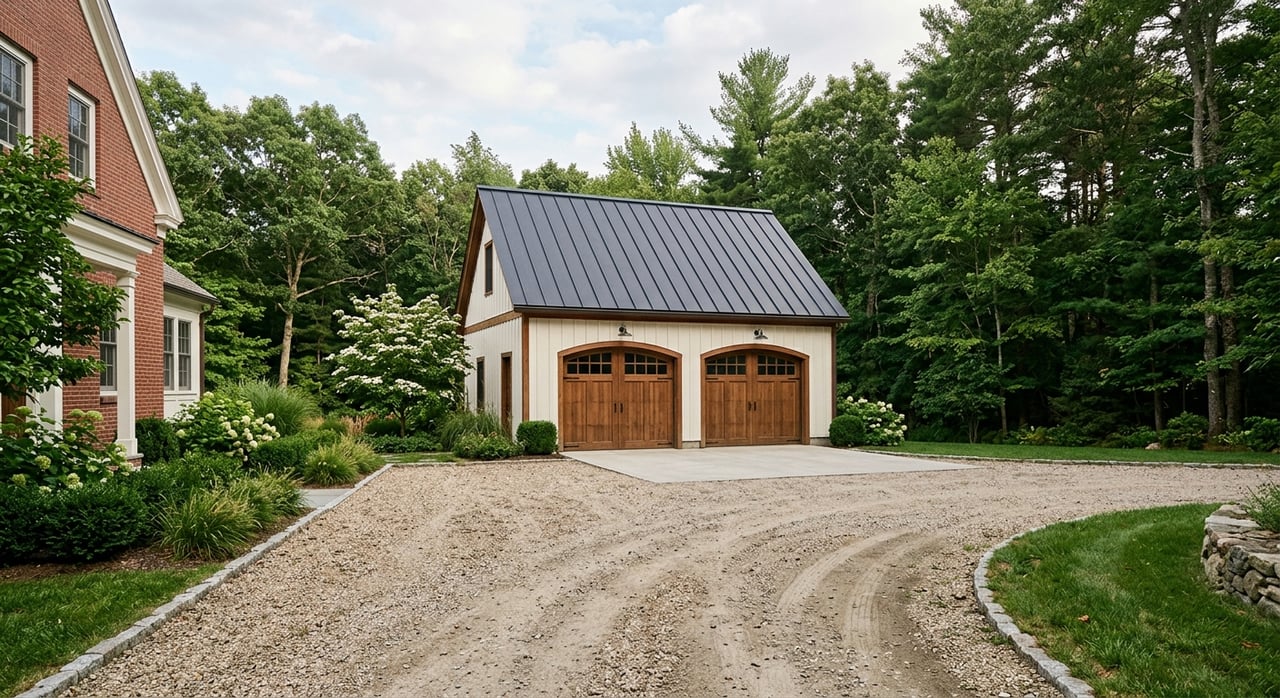
Barns, sheds, paddocks, workshops, and fencing often add interest to a Monkton property. Still, buyers and lenders do not just count buildings. They want to understand how those structures are actually used.
Rural appraisal guidance notes that storage sheds and non-commercial workshops are generally acceptable, while barns, silos, or livestock facilities used principally for income-producing agricultural or commercial activity can create financing issues in some loan programs. That is why it helps to describe each structure clearly and practically.
Instead of saying only that the property has “multiple outbuildings,” be ready to explain each one. Size, condition, utility access, and current use can all affect how buyers and appraisers interpret the property.
Marketing that helps buyers understand the land
Marketing a rural home should make the property easier to understand. For Monkton listings, that usually means showing more than interior photos and curb appeal. Buyers often need a visual explanation of the land.
The most useful materials are often:
- Aerial photos
- Boundary maps
- Access-drive photos
- Photos of barns, sheds, paddocks, and fencing
- Images that show topography, open areas, and wooded sections
Rural appraisal guidance emphasizes photographs that clearly show amenities, condition, and external influences affecting marketability. That same principle works well in listing marketing. The clearer the presentation, the easier it is for buyers to connect the property’s features to its value.
Negotiation issues that often come up
Rural deals can involve a few recurring sticking points. In Monkton, the most common ones are often access, septic capacity, well quality, and restrictions on future use. These are not unusual problems, but they do require a calm and organized response.
Maryland allows a seller to provide either a disclosure statement or an as-is disclaimer. Even with an as-is sale, known latent defects still must be disclosed. Maryland law defines latent defects as hidden material defects a buyer would not reasonably be expected to see and that pose a direct threat to health or safety.
That means transparency still matters. If you know of a hidden issue involving water, sewage disposal, structural systems, or another material condition, it needs to be handled correctly.
Another issue to check early is sewer availability. Baltimore County says that if sewer service is extended to a property frontage for health reasons, homeowners can be required to connect and abandon septic service, even if the existing system is not failing. For a property with private septic, that is worth confirming before listing.
What a smoother Monkton sale looks like
The strongest rural listings make the land easy to understand. Buyers want to know what is usable, what is permitted, what access exists, what improvements are documented, and whether the well and septic records support the home as marketed.
When that information is organized in advance, pricing becomes more credible and negotiations tend to be more focused. Instead of spending the transaction clearing up avoidable confusion, you can spend your energy moving the sale forward.
That is especially important with a larger lot or rural home, where value is shaped by house condition, land usability, and county-level rules all at once. A clear plan, careful pricing, and complete records can make a real difference.
If you are preparing to sell a larger lot or rural home in Monkton, working with an agent who understands valuation and due diligence can help you price more accurately and avoid preventable surprises. Carolina Cronin brings an appraisal-informed, data-driven approach to pricing, preparation, and negotiation so you can move forward with more confidence.
FAQs
What makes selling a rural home in Monkton different from selling a typical suburban home?
- Rural Monkton properties often involve extra due diligence around zoning, access, historic district rules, easements, well and septic systems, and land usability.
What records should you gather before listing a larger lot or rural home in Monkton?
- You should gather the deed, plat or survey, easement or conservation documents, septic records, well records, recent water-test results, and permits for additions or outbuildings.
How is a larger lot or acreage property in Monkton usually priced?
- Pricing is typically based on comparable sales, with adjustments for acreage, usability, access, restrictions, and unique improvements rather than a simple price-per-acre formula.
What do buyers ask about private well and septic systems in Monkton?
- Buyers commonly ask about water-test results, septic system type, whether septic records match the home’s bedroom count, and whether service records are available.
Can historic district rules affect a Monkton home sale?
- Yes. If the property is in a county historic district, certain exterior changes or site modifications may be subject to historic review by Baltimore County.
Do outbuildings always add value to a rural Monkton property?
- Not automatically. Outbuildings can help, but buyers and lenders also consider their condition, use, and whether they are tied to non-residential income-producing activity.
Why do access and easements matter when selling acreage in Monkton?
- Buyers and lenders want to confirm that the property has clear legal access from a road, driveway, or recorded easement because access can affect both marketability and financing.
What should you know about floodplain concerns when selling a rural property in Monkton?
- If part of the property is in a Special Flood Hazard Area or includes sensitive land such as buffers or wetlands, that can affect insurance, lending, and possible future site work.