If you are trying to figure out whether Essex fits your daily life, you are asking the right question. A home is not just about the house itself. It is also about how you get around, what your weekends look like, and whether the area supports the routine you want. This guide will help you look at Essex through that practical lens so you can decide if it matches your goals. Let’s dive in.
What Essex feels like day to day
Essex is an eastern Baltimore County community with a suburban setup shaped by residential neighborhoods, waterfront recreation, and services along Eastern Boulevard. In practical terms, that means you will find a mix of homes, parks, and everyday errands spread through a corridor-based area rather than centered around a single compact downtown.
For many buyers, that can be a real plus. You may like Essex if you want room to spread out, access to major roads, and easy options for getting to stores, parks, and services. If your ideal location is a place where nearly everything is a short walk away, Essex may feel less aligned with that goal.
Essex homes at a glance
Essex offers a broad housing mix, which is one reason it appeals to different types of buyers. According to the 2020 to 2024 ACS estimates, Essex has 17,128 housing units, and 61.3% are owner-occupied. The median owner-occupied home value is $258,900.
That data matters because it points to a market with both ownership opportunity and variety. Essex is not limited to one type of property or one price point experience. Instead, it gives you a wider range of ways to enter the market or make a move within it.
Detached homes and attached options
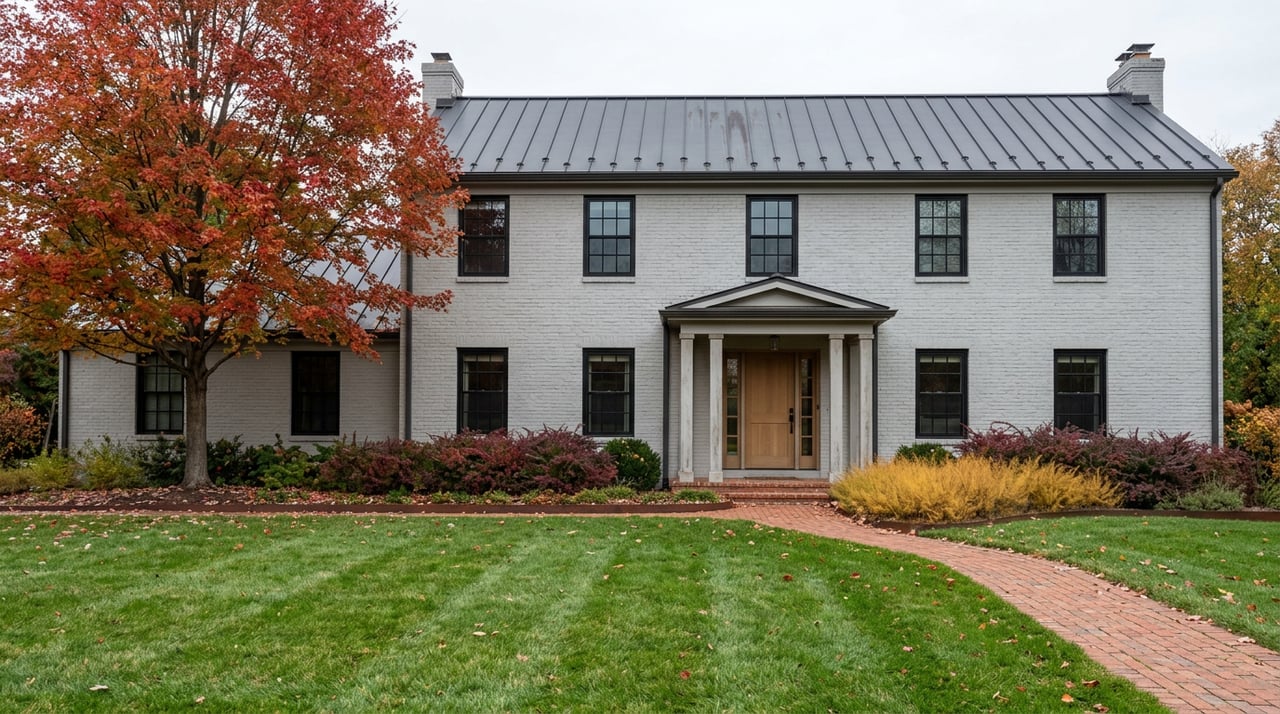
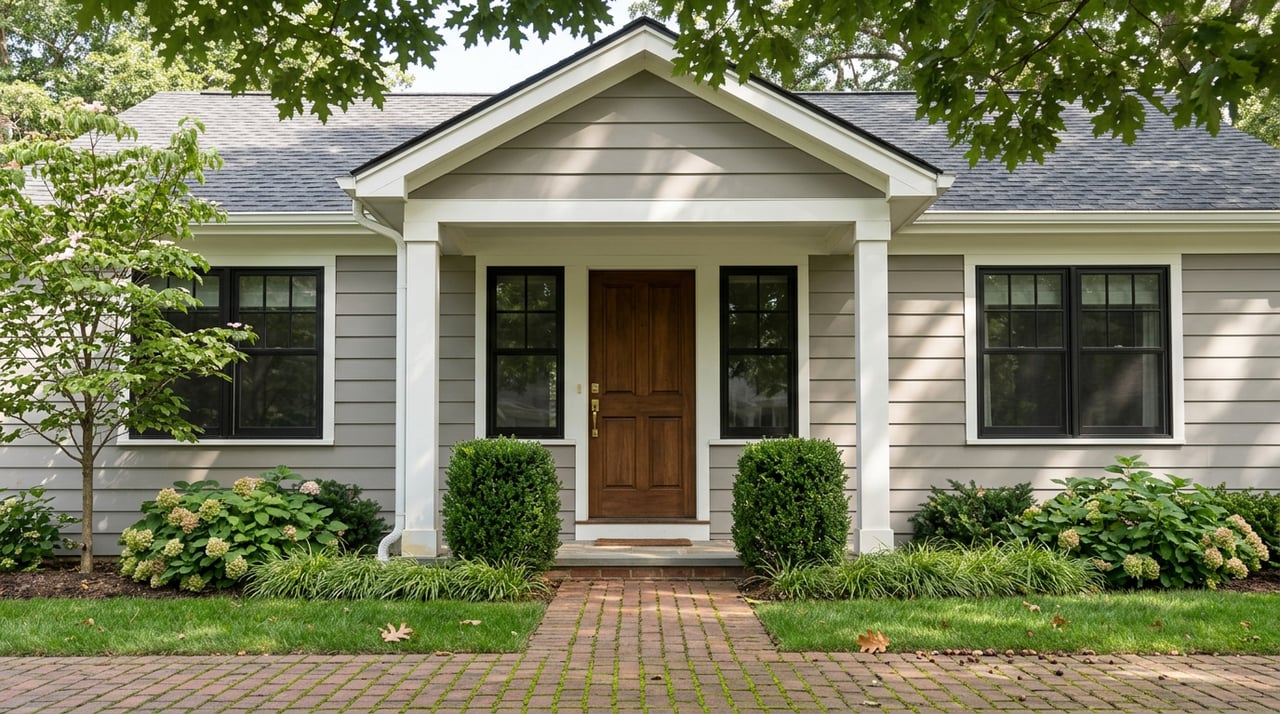
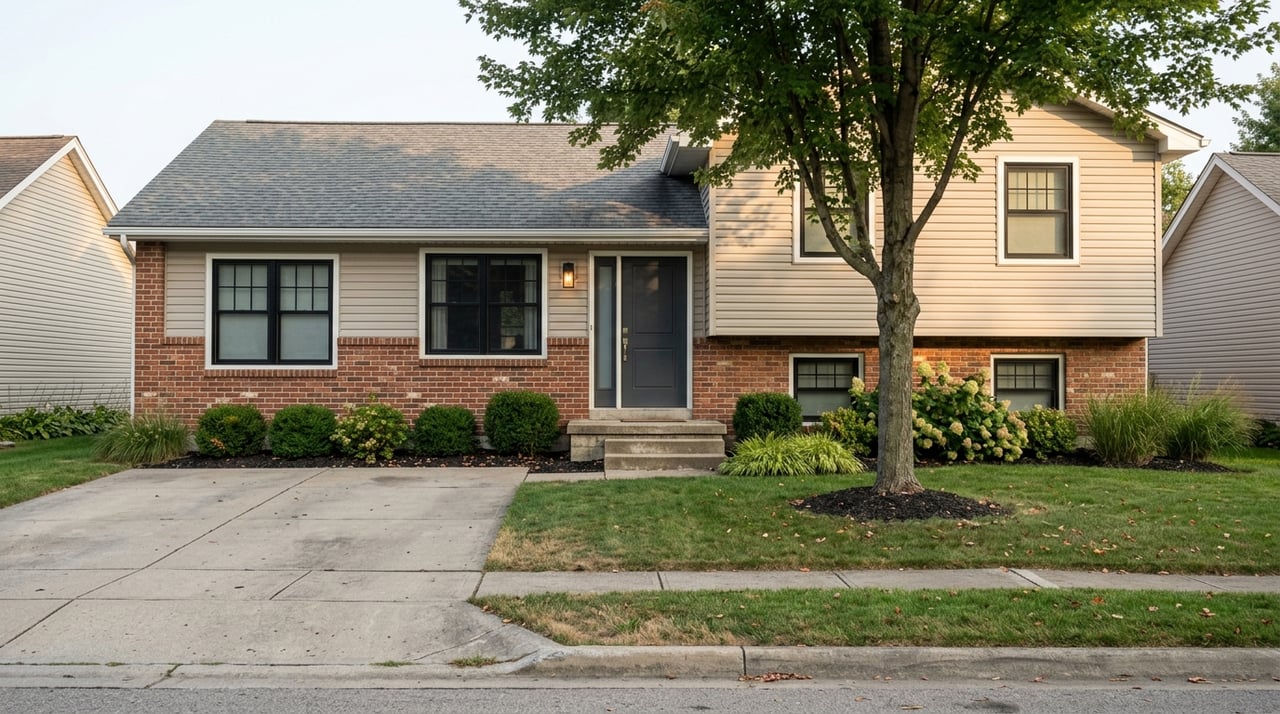
The local housing stock is split between 38.9% detached units and 35.9% attached units, with the rest largely made up of low-rise multifamily housing. For you as a buyer, that means Essex can offer both single-family neighborhood living and townhouse or rowhouse-style choices.
This kind of mix can be helpful if you are comparing space, upkeep, and budget. Some buyers want a detached home with more separation and outdoor space. Others prefer an attached home that may offer a more manageable footprint and maintenance routine.
Older housing stock with established character
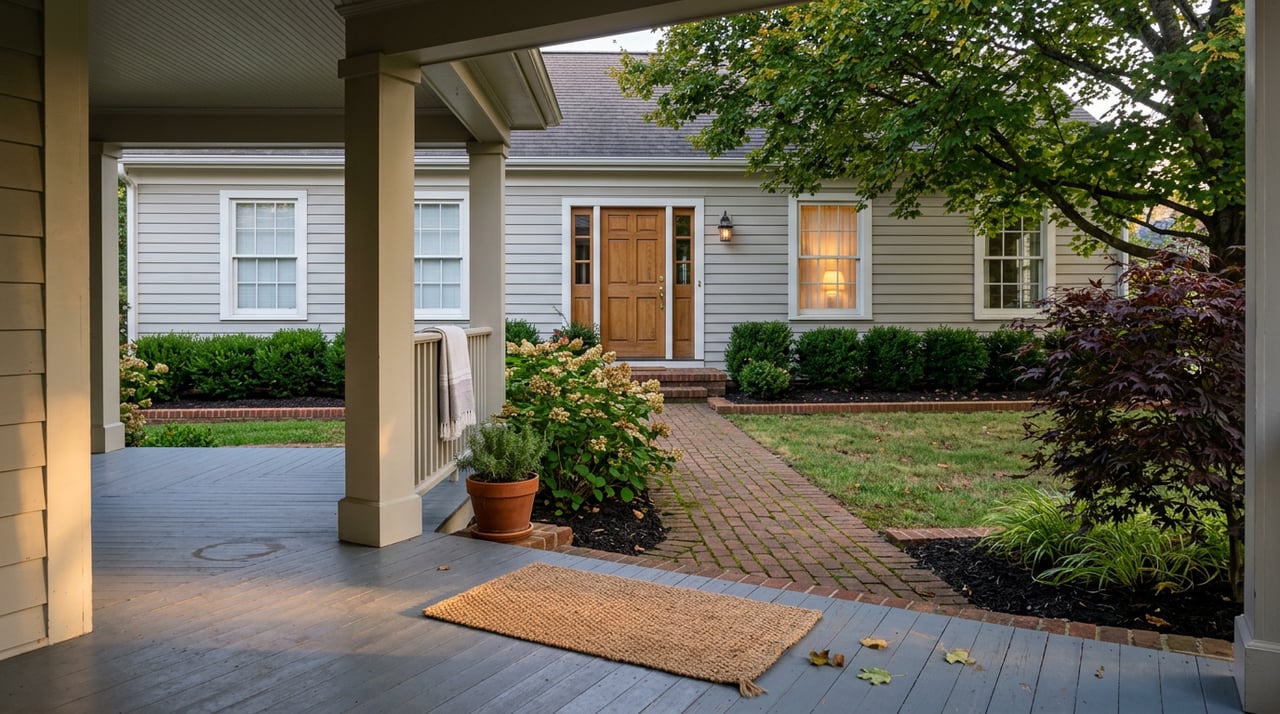
Most homes in Essex were built before 1980, with the largest groups dating to the 1950s, 1960s, and 1970s. That gives much of the area a mid-century suburban feel.
From a decision-making standpoint, older housing stock can mean you should pay close attention to condition, updates, and true market value. Not every older home offers the same level of maintenance or improvement. If you are a buyer who likes to understand how age, upkeep, and features affect value, Essex gives you plenty to evaluate.
Who Essex may fit best
Essex tends to work well for buyers who want a practical balance of housing choice, water access, and transportation convenience. It may be especially appealing if you are looking for:
- A mix of detached homes and townhome options
- A suburban setting with established housing stock
- Access to waterfront parks and outdoor activities
- Strong road connections for a car-based routine
- Bus and park-and-ride options as part of your commute plan
Essex may be a weaker fit if your top priority is a dense, highly walkable town center. The community pattern is more corridor-based, with Eastern Boulevard serving as the main retail and service spine.
Commute and transportation in Essex
For many buyers, commute patterns are just as important as square footage. Essex has strong road access, and that shapes how most people move through daily life.
Essex CDC highlights easy access to I-95, I-895, and I-695. Eastern Boulevard is the community’s central commercial corridor, and state transportation work in the area includes pedestrian safety improvements on MD 150 from MD 702 to MD 700.
Driving is a big part of the lifestyle
If you are comfortable with a car-first routine, Essex is easier to picture as a long-term fit. The road network supports trips to work, errands, and nearby destinations across the Baltimore area.
That does not mean you have no alternatives. It means driving is likely to be a regular part of your weekly rhythm, even if you also use transit for part of your commute.
Bus and park-and-ride options
Transit riders do have options in Essex. CityLink Orange runs between Essex and West Baltimore MARC. Route 160 connects Downtown and Hopkins with Essex, including stops at Essex Park & Ride and Bayner Road and Sandalwood Road, while Route 40 also serves Essex Park & Ride. Route 62 serves CCBC Essex and Turner Station.
Taken together, those routes make Essex more flexible than a purely drive-only location. If you like the idea of combining driving, bus service, or park-and-ride use, Essex offers that kind of setup.
Waterfront living without a waterfront price tag everywhere
One of Essex’s most appealing lifestyle features is its connection to the water. The area sits in the Back River watershed, and Baltimore County identifies waterfront parks in and around Essex that support boating, fishing, and outdoor time.
This does not mean every home is waterfront. It does mean water-oriented recreation is part of the community’s identity and can shape how you spend your free time.
Rocky Point Park and Beach
Rocky Point Park and Beach is one of the area’s signature amenities. Baltimore County describes it as a 33-acre park with a 300-foot beach, two boat ramps, a fishing pier, a sailing center, playgrounds, picnic areas, and seasonal swimming.
If you enjoy being near the water, that kind of access can add real lifestyle value. It gives you a place for low-key weekends, family outings, or simply getting outside without planning a long trip.
Cox’s Point Park and Marshy Point Nature Center
Cox’s Point Park adds more waterfront recreation with picnic areas, a boat ramp, and a fishing pier. Marshy Point Nature Center offers a different outdoor experience, with about eight miles of trails, self-guided nature trails, a paddle trail, and kayak-share access at multiple county sites.
For buyers who care about lifestyle as much as layout, these amenities help Essex stand out. You are not choosing between suburban convenience and outdoor access. In Essex, you can often have both in the same general area.
Everyday conveniences in Essex
A good fit is also about the basics. You want to know where daily errands happen and whether services are easy to reach.
In Essex, Eastern Boulevard is the main retail and service corridor. Essex CDC describes it as a gateway area and commercial corridor that is actively being improved for retail, streetscape, and business use.
Local services and community anchors
The BCPL Essex branch is located at 1110 Eastern Boulevard and offers free open-lot parking, public computers, Wi-Fi, study rooms, and a meeting room. BCPL also notes that a replacement Essex Branch is planned on Old Eastern Avenue.
Essex also has an MVA location at 1338A Eastern Boulevard for registration, titling, licensing, and testing services. Other nearby anchors include the Essex Senior Center, CCBC Essex, and MedStar Franklin Square Medical Center via I-695 east toward Essex.
These details may sound simple, but they matter. When a place makes everyday tasks easier, it tends to feel more functional and more livable over time.
How to decide if Essex is right for you
The best way to evaluate Essex is to compare its strengths to your real daily habits. Try thinking in terms of routine instead of just features on a listing sheet.
Ask yourself:
- Do you want a choice between detached homes, townhomes, and other residential options?
- Are you comfortable in an area where driving is a major part of daily life?
- Would waterfront parks, boat access, trails, and fishing add value to your weekends?
- Do you prefer established neighborhoods with older housing stock?
- Are practical access and convenience more important to you than a compact, walkable town center?
If you answer yes to most of those questions, Essex could be a strong match. If you want highly walkable, town-center living above all else, you may want to compare Essex with other Baltimore-area communities before deciding.
Why a data-based approach matters in Essex
Because Essex has a varied housing mix and many homes built before 1980, it helps to look beyond surface appeal. Two homes can seem similar online but differ quite a bit in condition, updates, and value.
That is where careful pricing and property analysis matter. When you look at Essex through a data-based lens, you can make a clearer decision about whether a home supports your budget, your maintenance comfort level, and your long-term plans.
If you want help sorting through Essex homes with a practical eye on value, condition, and fit, Carolina Cronin brings an appraisal-informed approach that can help you move forward with more confidence.
FAQs
Is Essex, MD good for buyers who want housing options?
- Yes. Essex has a mix of detached homes, attached homes, and low-rise multifamily housing, which gives buyers several types of residential options to consider.
Is Essex, MD a walkable town-center community?
- Essex is better described as a suburban, corridor-based community centered around Eastern Boulevard services rather than a dense, highly walkable town center.
Is Essex, MD good for commuting around Baltimore?
- Essex offers easy access to I-95, I-895, and I-695, and it also has bus routes and park-and-ride options that can support different commute patterns.
What is the housing stock like in Essex, MD?
- Much of Essex’s housing stock was built before 1980, with many homes dating to the 1950s, 1960s, and 1970s, giving the area an established mid-century suburban feel.
What outdoor amenities are available in Essex, MD?
- Essex offers access to waterfront and nature-focused amenities including Rocky Point Park and Beach, Cox’s Point Park, and Marshy Point Nature Center.
Is Essex, MD a good fit if you enjoy waterfront recreation?
- It can be. Essex is in the Back River watershed and has county parks with features such as boat ramps, fishing piers, picnic areas, trails, and seasonal swimming.