When your Timonium home hits the market, the first few days can shape everything that follows. In a market where many homes move quickly and a large share sell above list, buyers form opinions fast based on price, condition, photos, and how well the home shows. If you want a strong launch instead of a slow start, a clear prep plan can help you focus on the updates that matter most. Let’s dive in.
Why first impressions matter in Timonium
Timonium is a competitive market with strong pricing and relatively fast sales. Over the last three months ending April 2026, the median sale price was $539,721, homes sold in about 23 to 24 days, and the average sale-to-list ratio was 101.6%. About 66.8% of homes sold above list.
That kind of market can create a false sense of security for sellers. You might assume buyers will overlook clutter, dated paint, or a weak pricing strategy because demand is high. In reality, the strongest buyer attention often comes right when your home first goes live.
Some Timonium homes receive multiple offers, and hot homes can go pending in around five days. That means your launch is not just an announcement. It is your best chance to create urgency, attract qualified buyers, and support your asking price with confidence.
Start with a practical prep plan
Before you spend money, step back and look at your home the way a buyer will. Most buyers notice overall condition first, then cleanliness and layout. They are usually asking a simple question: does this home feel well cared for and easy to move into?
That is why a strong prep plan should focus on visible condition, simple improvements, and anything that may weaken buyer confidence. The goal is not to make your home look perfect. The goal is to remove distractions so buyers can focus on the home itself.
Focus on what buyers notice first
If you are getting close to list day, prioritize the issues that show up immediately in person and in photos. These are the details that can make buyers hesitate, even in a fast-moving market.
Start with:
- Leaks or signs of water intrusion
- Broken fixtures or hardware
- Damaged trim or scuffed walls
- Burned-out or dim lighting
- Noticeable HVAC, plumbing, or electrical concerns
- Dirty kitchens and baths
- Overgrown landscaping or an untidy front entry
Visible maintenance issues can make buyers wonder what else has been missed. A clean, well-kept home tends to feel more trustworthy from the start.
Skip major projects with weak payoff
If you are already planning to list soon, large remodels often do not offer the best return. Recent resale data shows that smaller, high-visibility updates often outperform major renovations when it comes to cost recovery.
For example, garage door replacement and steel entry door replacement showed very strong recouped value, while major kitchen remodels and upscale additions returned far less. For most Timonium sellers, that is a sign to fix what buyers see first and avoid getting pulled into expensive projects that may not move the final result enough to justify the cost.
Decide what to repair and what to disclose
Maryland law requires sellers to disclose known latent defects, but it does not require you to conduct an independent investigation just to complete disclosures. That creates room for a practical, fact-based strategy.
In many cases, it makes sense to repair issues that are visible, safety-related, or likely to affect a buyer’s confidence. For larger issues that are costly to cure, you may be better off disclosing the condition clearly and adjusting price expectations rather than fully replacing something right before listing.
A simple repair filter
As you review your home, ask these questions:
- Is the issue obvious during a showing?
- Could it raise safety concerns?
- Will it create doubt about maintenance?
- Is the fix relatively affordable compared with the likely buyer reaction?
- Would leaving it alone hurt value more than the repair cost?
This kind of filter helps you stay focused. It also supports better decisions when emotions are running high and every project starts to feel urgent.
When a pre-listing inspection helps
A pre-listing inspection can be useful when you are unsure how a condition issue may affect negotiations. It can help you sort problems into four clear buckets: repair, disclose, credit, or price around.
That can be especially helpful if the concern is not immediately visible but may surface later in a buyer inspection. Getting ahead of those issues can reduce surprises and give you more control over your listing strategy.
Use staging to make the home feel cared for
Staging does not have to mean renting furniture or redesigning every room. In most cases, the most effective work is simple: decluttering, cleaning, neutralizing strong style choices, and improving light.
Buyers want a home that feels clean, organized, and well maintained. Staging helps them picture how the space functions without being distracted by personal items, crowded surfaces, or dark rooms.
Prioritize the rooms that carry the listing
The rooms buyers tend to focus on most are the living room, primary bedroom, dining room, and kitchen. If your time or budget is limited, start there.
For many Timonium homes, the most useful updates include:
- Fresh neutral paint where walls are scuffed or strongly colored
- Decluttered countertops, shelves, and closets
- Brighter bulbs and better lamp placement
- Deep cleaning in kitchens and bathrooms
- Power washing exterior surfaces
- Lawn edging, mulch touch-ups, and trimmed plantings
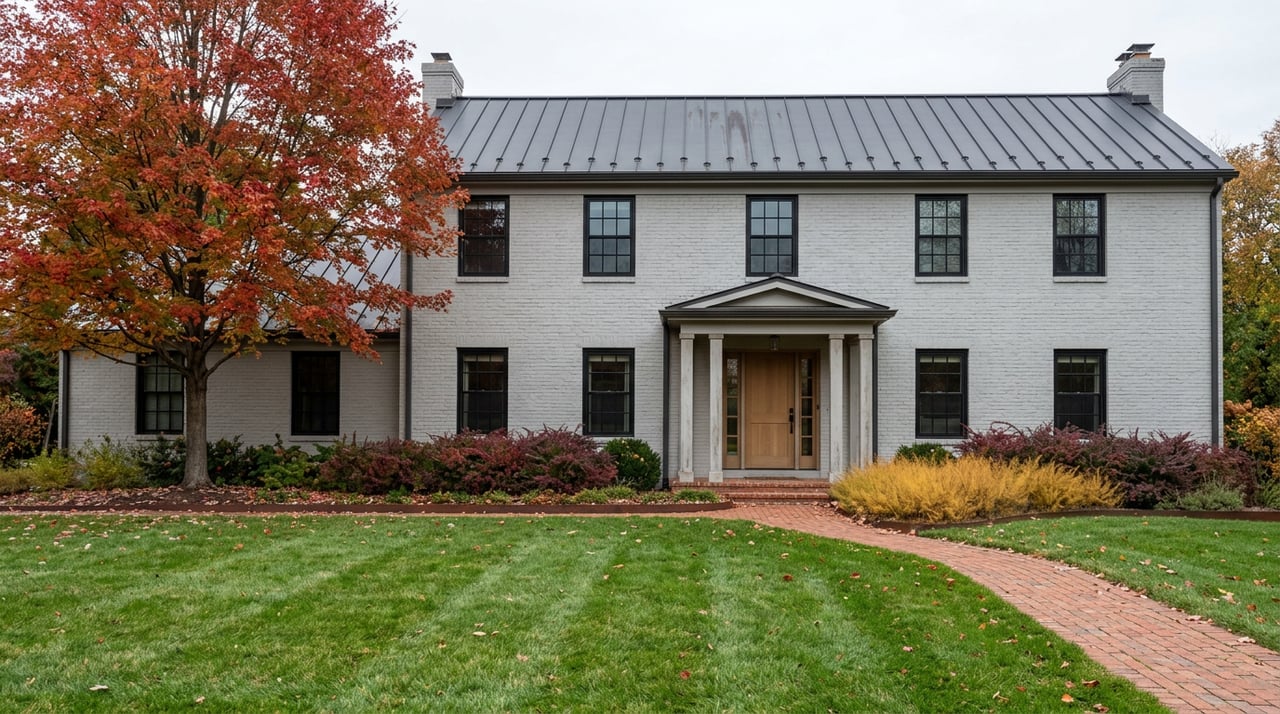
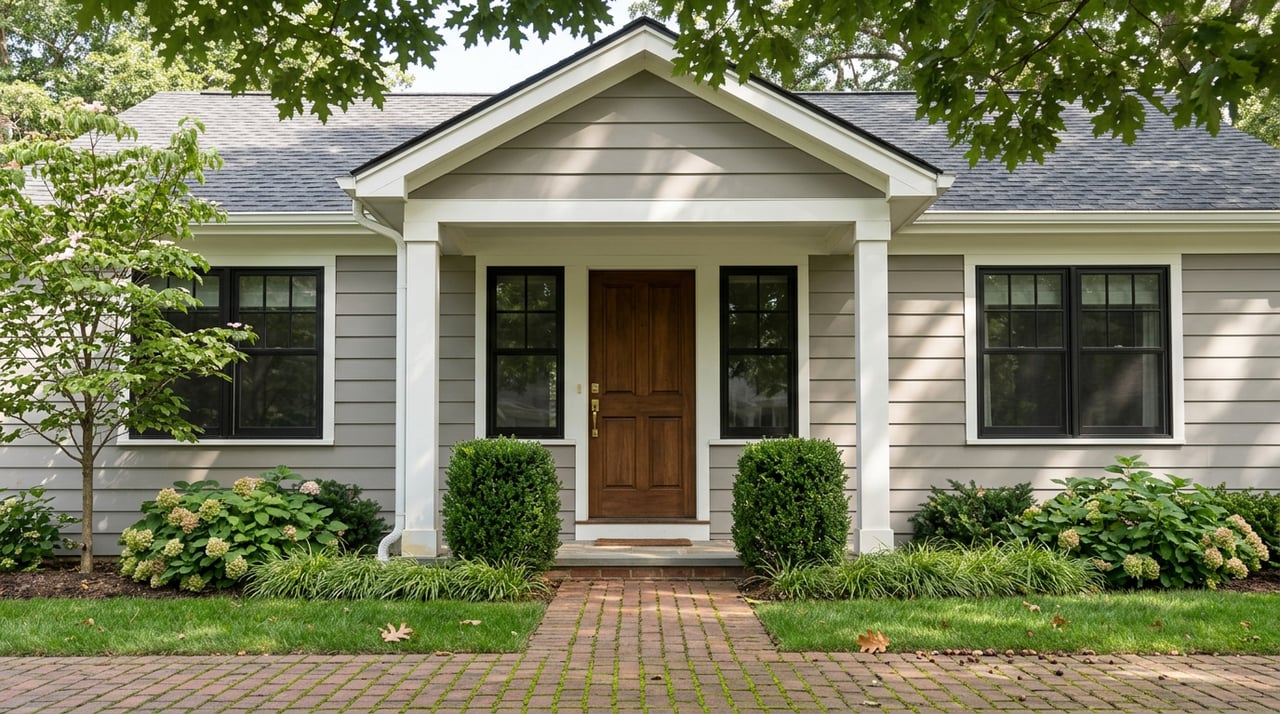
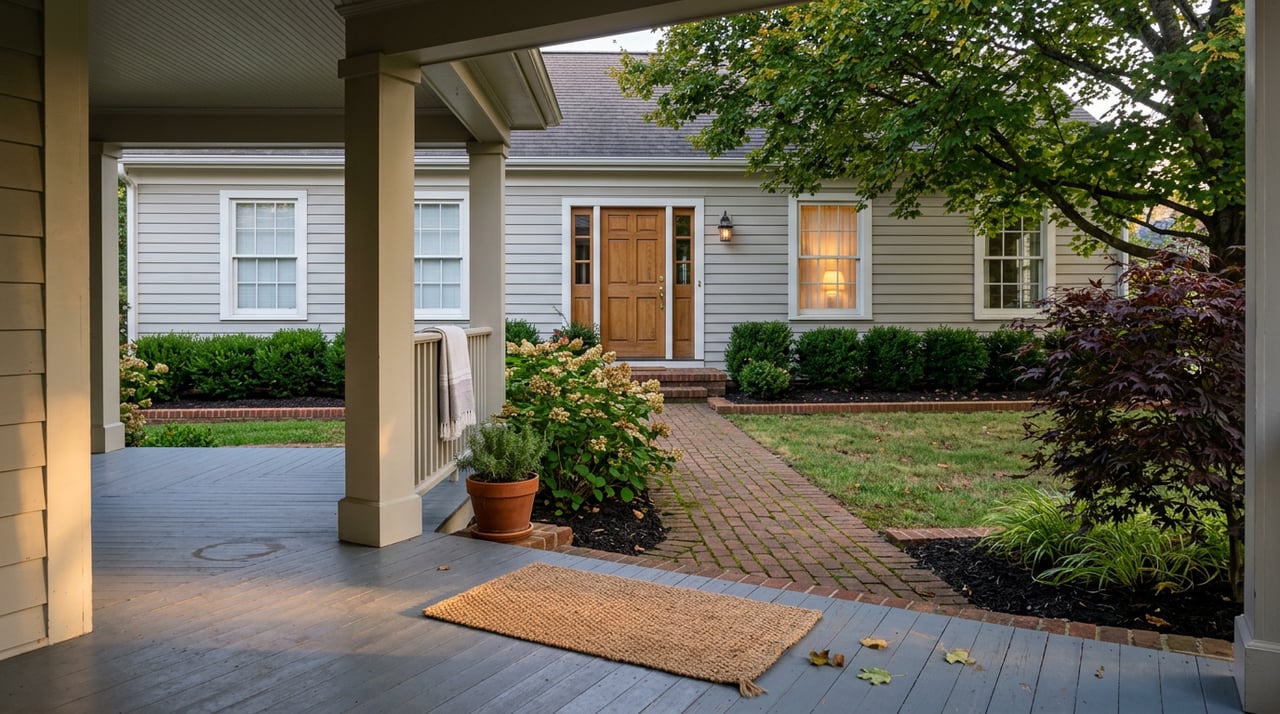
- A front door area that looks crisp and welcoming
These changes are not flashy, but they photograph well and help buyers feel at ease when they walk in.
Photos matter before showings do
Most buyers will see your home online before they ever schedule a tour. That means your listing photos need to do real work.
Professional photography is a key part of creating a strong first impression. Clean sight lines, bright spaces, and a polished entry can all help your home stand out before a buyer decides whether it is worth seeing in person.
Price for momentum, not wishful thinking
In a market like Timonium, pricing is not just about your target number. It is about how your home enters the market and how buyers compare it to the other homes they have already seen.
If the asking price does not line up with recent comparable sales, condition, and buyer expectations, your home can lose momentum quickly. Overpricing usually leads to fewer showings, weaker early feedback, and later price reductions that can make the listing feel stale.
Why day-one pricing matters
With Timonium’s average sale-to-list ratio at 101.6%, strong results are happening when homes are presented well and priced in line with the market. That does not mean every home should be priced aggressively low. It means the pricing should be credible from the start.
A smart list price should reflect:
- Recent comparable sales
- Your home’s condition and updates
- Buyer reaction to competing listings
- Likely appraisal support
- Any issues you chose to leave as-is
This is where appraisal-based thinking can be especially valuable. True market value is not built on hope. It is built on evidence, condition, and how buyers are reacting right now.
Read the first two weeks carefully
The first two weeks often tell you whether your pricing and presentation are working. Early feedback should be treated as useful market data, not as noise.
A simple framework can help:
- Strong online views but weak showing activity often points to price
- Good showing traffic without offers can point to a value gap
- Very little activity after two weeks usually means the launch is not landing as intended
In a fast market, waiting too long to respond can cost you the strongest window of buyer attention.
A strong first impression is really a trust signal
When buyers walk into a home that feels clean, bright, maintained, and priced with care, they are more likely to trust what they are seeing. That trust can affect everything from showing traffic to offer strength to negotiation tone.
The good news is that creating that first impression usually does not require a total overhaul. In most cases, it comes down to smart prep, honest condition decisions, and pricing that matches the market from day one.
If you are preparing to list your Timonium home, the best plan is one that keeps you focused on what truly moves buyer perception and supports value. When you make decisions with data and a clear process, you give your home the strongest possible start.
If you want clear guidance on pricing, prep priorities, and how to position your home for a strong Timonium launch, connect with Carolina Cronin.
FAQs
What should you fix before listing a Timonium home?
- Focus first on visible maintenance issues, safety concerns, leaks, lighting problems, damaged surfaces, and anything that may make buyers question how well the home has been cared for.
Should you renovate your Timonium home before selling?
- Usually, smaller high-visibility improvements make more sense than large remodels when you are close to listing, especially if the larger project will not clearly improve buyer confidence or value.
Does staging help when selling a Timonium home?
- Yes. Staging can help buyers visualize the home more easily, and simple steps like decluttering, neutral paint, cleaning, and better lighting often make a meaningful difference.
How important is pricing when listing a home in Timonium?
- Pricing is critical because the first days on market often generate the strongest buyer attention, and an unrealistic price can reduce showings and lead to a slower sale.
Is a pre-listing inspection worth it for a Timonium seller?
- It can be, especially if you want more clarity on whether to repair, disclose, offer a credit, or adjust price around an issue before buyers discover it during their inspection.
How fast do homes sell in Timonium, MD?
- Over the last three months ending April 2026, homes sold in about 23 to 24 days on average, and some hot homes went pending in around five days.