Buying your first home in Essex can feel exciting right up until you start asking the big questions. How much can you really afford, how fast do you need to move, and how do you avoid buying a house with expensive surprises? If you want a clear path instead of guesswork, this guide will walk you through what to expect in Essex, what to watch for in older housing, and how to make smart decisions from pre-approval to closing. Let’s dive in.
Why Essex Works for First-Time Buyers
Essex is an established Baltimore County market with mostly existing homes rather than new construction. Recent data shows a median listing price of about $325,000 in May 2026, which places Essex below the broader Baltimore County median sold price of $368,969 over the prior three months through April 2026.
That matters if you are trying to balance budget with location and space. Essex can offer an entry point into homeownership that may feel more reachable than some other parts of the county, while still moving at a fairly active pace.
Essex also has a strong owner-occupied base. Census data shows a 61.3 percent owner-occupied rate, with a median owner-occupied home value of $258,900 and median monthly owner costs with a mortgage of $1,719.
Understand the Essex Housing Stock
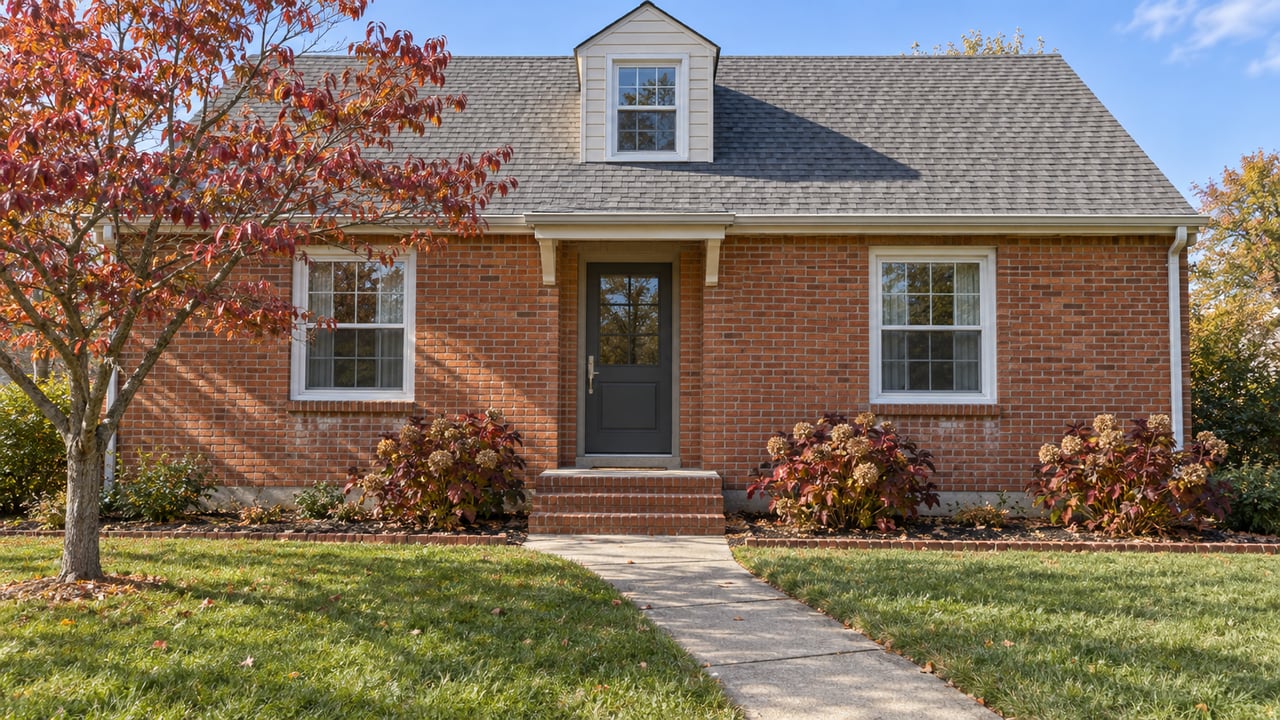
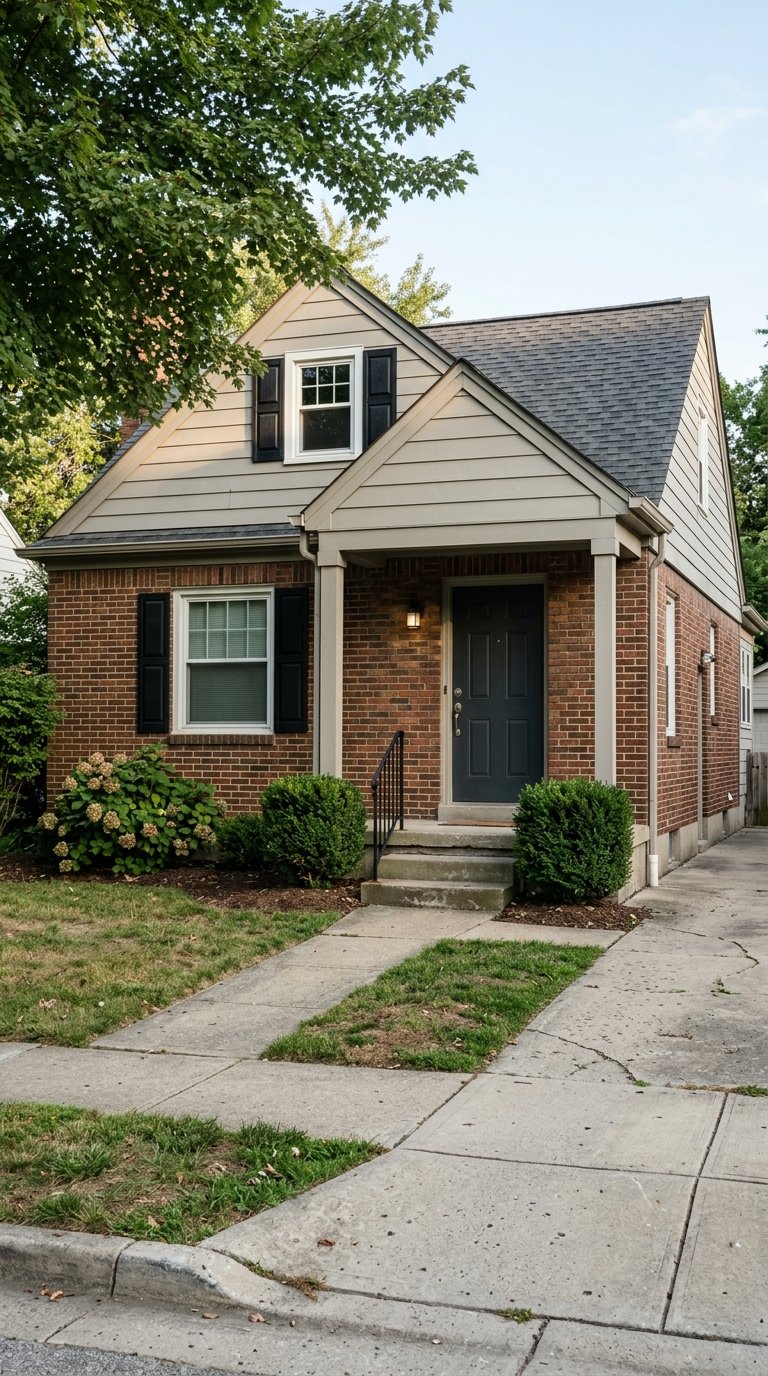
One of the most important things to know about Essex is that it is largely an older-home market. In the local housing data, about 59 percent of the housing stock was built before 1970.
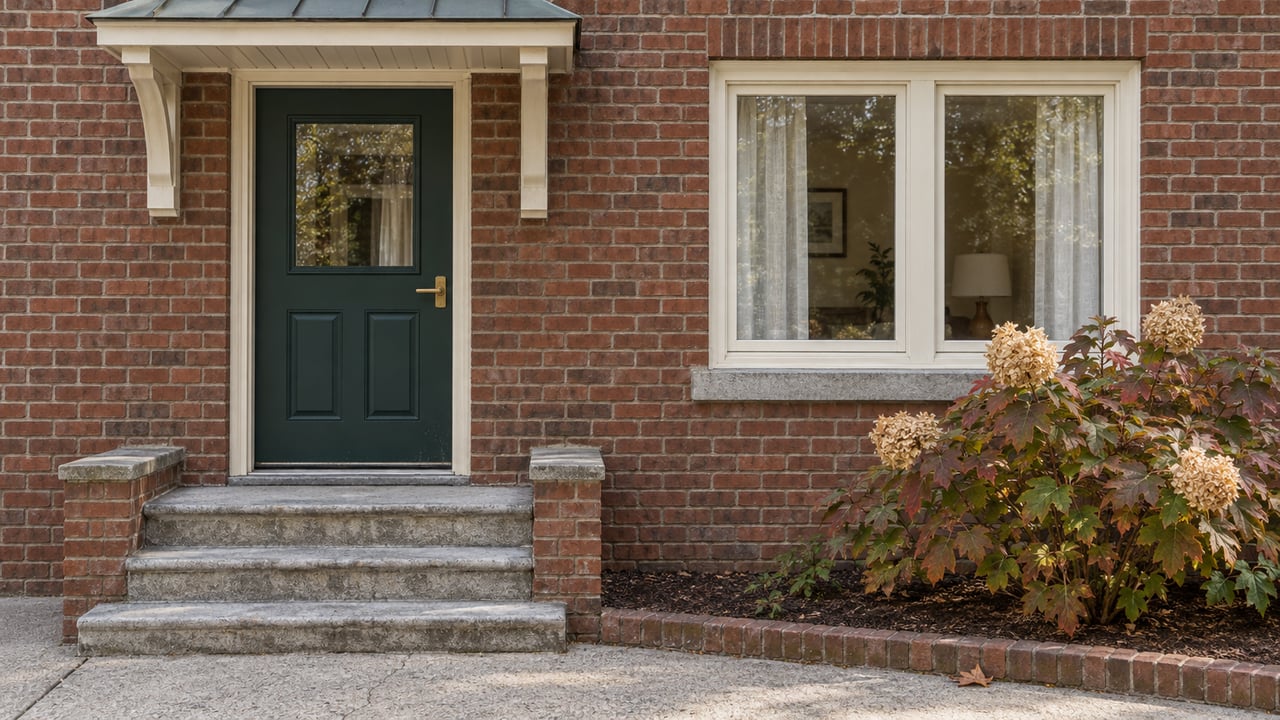
That does not mean older homes are a bad choice. It does mean you should look beyond the photos and pay close attention to condition, maintenance history, and the quality of any updates.
Detached and attached homes are common
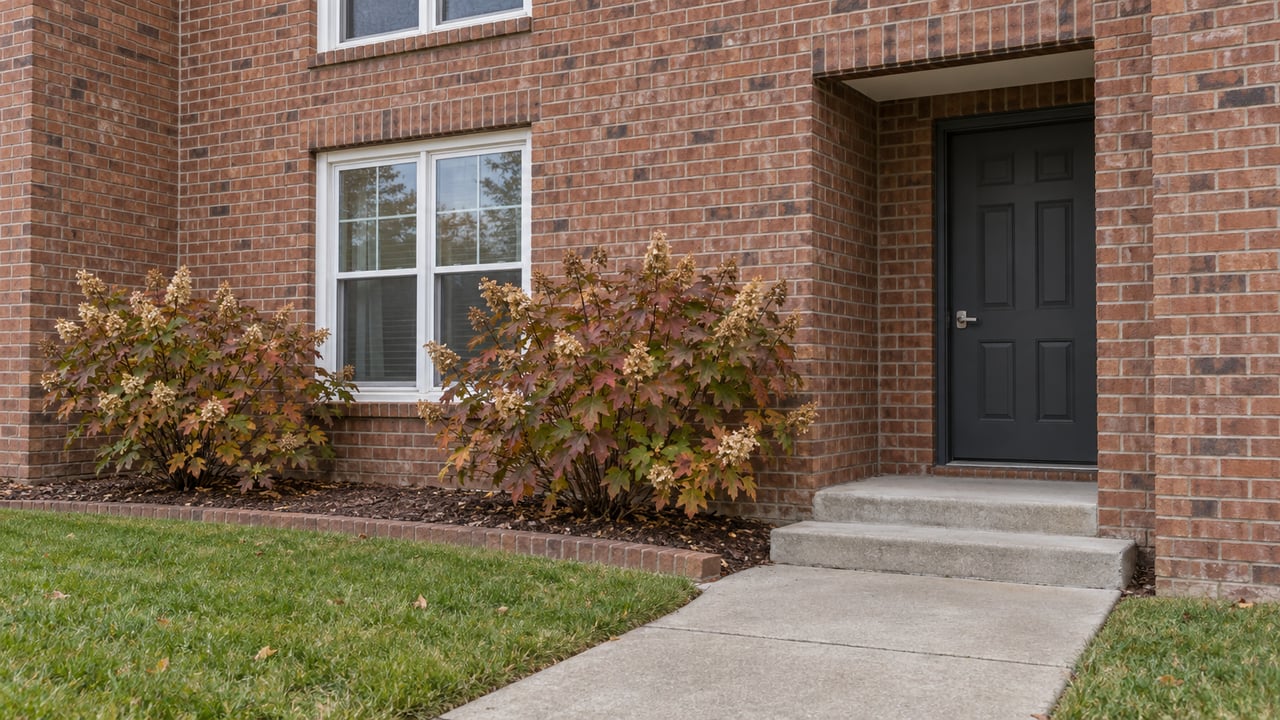
Essex has a mix of home types, but detached and attached homes make up most of the market. In the 2019 to 2023 ACS data, 38.9 percent of units were 1-unit detached and 34.9 percent were 1-unit attached.
If you are deciding between a detached home and a townhome, the better value often comes down to condition, layout, and monthly ownership costs, not just the property type itself.
New construction is rare
Only 0.1 percent of local housing units were built in 2020 or later. That means your first home search in Essex will most likely focus on resale properties, where system age and renovation quality can vary quite a bit from one home to the next.
This is where a data-driven approach helps. Two homes with similar square footage and bedroom counts can have very different real value depending on the roof, HVAC, plumbing, electrical work, windows, and moisture history.
Step 1: Set Your Budget Before You Shop
Before you start touring homes, get clear on what you want to spend each month and what you can comfortably spend. Your housing payment is more than principal and interest.
You also need to account for property taxes, homeowners insurance, utilities, maintenance, and any HOA dues. In Baltimore County, the FY 2026 real property tax rate is $1.10 per $100 of assessed value, so taxes should be part of your math from the start.
Plan for more than the down payment
Many first-time buyers focus on the down payment and underestimate the rest of the cash needed to close. Closing costs typically run about 2 percent to 5 percent of the purchase price, and mortgage insurance is usually required if your down payment is below 20 percent.
That means your total cash needed may be much higher than you expect if you only budget for the down payment. A good first step is to review your savings, monthly cash flow, and credit before you get serious about house hunting.
Step 2: Get Pre-Approved Early
In Essex, pre-approval is not just a formality. Homes are selling at about 100 percent of asking price on average, and the median time on market is about 28 days.
That is fast enough that you do not want to fall in love with a home before you know your true price ceiling. Pre-approval helps you shop with confidence and make an offer quickly when the right property comes up.
Compare loan options carefully
Once you are pre-approved, ask your lender to walk you through your loan options. That may include conventional financing, FHA financing, and Maryland Mortgage Program choices if you qualify.
This is not only about interest rate. Your loan type can also affect your monthly payment, mortgage insurance, cash-to-close, and flexibility when writing an offer.
Step 3: Explore First-Time Buyer Assistance
If you are buying your first home in Essex, state and county programs may help reduce the upfront cash you need. This is worth exploring early, not after you already have a contract.
Maryland Mortgage Program options
Maryland Mortgage Program offers a 1st Time Advantage line with several structures. These include a Direct option with no down payment assistance, plus 1st Time Advantage 6000, 3 percent, 4 percent, and 5 percent options that use zero-percent deferred second liens.
There is also HomeStart for borrowers at or below 50 percent of area median income, which provides 6 percent down payment assistance. The program requires an approved homebuyer education class and a state-approved lender.
Baltimore County settlement help
Baltimore County also offers support through its Settlement Expense Loan Program. According to the county’s annual action plan, income-eligible first-time buyers at or below 80 percent of area median income may qualify for loans up to $15,000 for settlement expenses through nonprofit counseling partners.
For many first-time buyers, this can be just as important as the loan itself. Assistance may change how much you need to bring to closing and how you structure your overall budget.
Step 4: Tour Homes With a Condition Checklist
When you tour homes in Essex, try to think like both a buyer and a future owner. Because much of the housing stock is older, condition often matters as much as location when you are comparing value.
A home that looks updated on the surface may still need major work behind the walls or in key systems. That is why you want to slow down and look past staging and fresh paint.
What to watch in older Essex homes
As you tour, pay attention to:
- Roof age and visible wear
- HVAC type and approximate age
- Plumbing updates
- Electrical updates
- Window condition
- Signs of moisture or water intrusion
- Evidence of patchwork repairs instead of full improvements
Essex homes also show a mix of utility gas, electricity, and fuel-oil heating systems in the housing data. That makes it especially important to understand what type of system a home uses and what that may mean for maintenance and operating costs.
Review flood risk when relevant
If you are considering homes in lower-lying or waterfront-adjacent areas, review flood risk carefully. Standard homeowners insurance generally does not cover flood damage, and homes in FEMA Special Flood Hazard Areas are likely to require flood insurance.
That cost can affect your monthly budget in a meaningful way. It is better to understand that upfront than to be surprised late in the process.
Step 5: Make a Smart Offer
A smart offer is not always the highest offer. It is the offer that fits the market, protects your finances, and reflects the home’s real condition and value.
In Essex, recent market data suggests buyers should not expect a long negotiation window. With homes selling close to asking price and moving in about four weeks on average, you need to be ready when the right opportunity appears.
Move quickly, but do not get reckless
It can be tempting to strip away protections in a competitive situation. For a first-time buyer, that can create more risk than reward.
You should think carefully before waiving financing, appraisal, or inspection protections. In a market with older housing stock, those protections can matter a great deal.
Step 6: Use the Inspection Period Well
The inspection period is where you learn what you are really buying. In Essex, this step matters even more because so many homes were built decades ago.
An inspection can help you separate cosmetic issues from larger concerns involving structure, systems, or deferred maintenance. It can also shape your negotiation strategy if the report reveals repairs that affect value or livability.
Focus on the issues that matter most
Not every inspection item should change your decision. A loose handrail or worn caulk line is different from electrical concerns, plumbing problems, HVAC failure, roof issues, or signs of chronic moisture.
This is where clear, calm decision-making matters. You may decide to request a repair, ask for a credit, move forward as-is, or walk away if the property no longer makes financial sense.
Step 7: Estimate Cash to Close Accurately
One of the biggest first-time buyer mistakes is underestimating closing day costs. Your final number can include far more than your down payment.
In Baltimore County, transfer and recording charges can add up. County budget materials state that the county title transfer tax is 1.5 percent of consideration, with the first $22,000 of consideration on an owner-occupied dwelling exempt.
Maryland Courts guidance says the state transfer tax is 0.5 percent of consideration, reduced to 0.25 percent for first-time Maryland homebuyers. Baltimore County e-recording guidance lists recordation tax at $2.50 per $500 of consideration.
Get exact numbers from your lender and title company
These costs can vary based on your transaction details. The practical takeaway is simple: do not estimate your cash-to-close based on down payment alone.
Instead, ask your lender and title company for detailed figures early and update them as your contract terms come together. That gives you a more realistic picture of what you need in the bank.
Step 8: Review the Closing Disclosure Carefully
Before closing, your lender must provide a Closing Disclosure at least three business days before the closing date. This document shows your final loan terms, projected monthly payment, and closing costs.
Do not treat it like paperwork to skim. Compare it closely with your earlier Loan Estimate and make sure the numbers line up with what you expected.
Check these items before closing day
Before you sign, review:
- Final loan amount
- Interest rate
- Monthly payment
- Cash to close
- Seller credits
- Escrow amounts
- Tax and insurance figures
If something looks off, ask questions right away. Closing is the last step in the mortgage transaction, so this is the time to confirm the details, not assume they are correct.
Final Thoughts for First-Time Essex Buyers
Buying your first home in Essex is very doable, but it helps to go in with a plan. This is an older, active market where condition, repair history, and true value matter just as much as list price.
If you take the process step by step, build your budget carefully, and stay focused on the full cost of ownership, you can make a confident decision without rushing into the wrong home. If you want calm, appraisal-informed guidance as you sort through pricing, condition, and offer strategy in Essex, Carolina Cronin is here to help.
FAQs
How much down payment do you need to buy a first home in Essex?
- You do not always need 20 percent down, but mortgage insurance is usually required if your down payment is below 20 percent.
Are townhomes common in Essex for first-time buyers?
- Yes. Local housing data shows attached homes are nearly as common as detached homes in Essex.
Is Essex mostly an older housing market?
- Yes. About 59 percent of the housing stock was built before 1970, so condition and maintenance history should be a major part of your search.
Are there first-time homebuyer programs available in Essex?
- Yes. Buyers may be able to use Maryland Mortgage Program options and Baltimore County’s Settlement Expense Loan Program if they qualify.
How fast do homes sell in Essex?
- Recent market data shows a median time on market of about 28 days, with homes selling at about 100 percent of asking price on average.
Why does home condition matter so much in Essex?
- Because new construction is scarce and much of the housing stock is older, system age, renovation quality, and repair history can have a major impact on value and future costs.