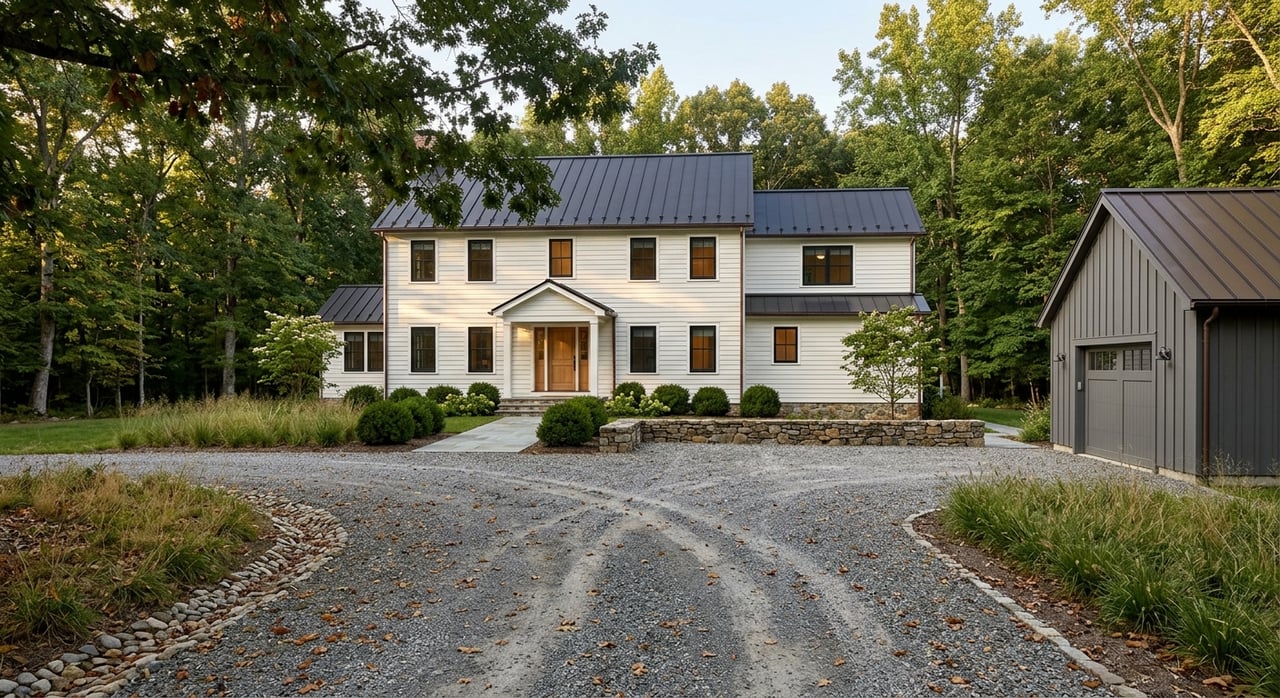
Dreaming about a home with room to spread out in Monkton? Acreage can offer privacy, flexibility, and a different pace of living, but it also comes with questions you may not face in a typical suburban purchase. If you are considering a larger property, it helps to understand how land use, well and septic systems, access, and long-term costs can affect both daily life and future value. Let’s dive in.
Why acreage in Monkton is different
Buying a home on acreage in Monkton is not just about the house. It is also a land-use decision, because Monkton sits within Baltimore County’s rural planning framework, where properties often rely on private wells and on-site septic systems rather than public water and sewer.
That matters because the number of acres on paper does not always match how much of the land you can actually use. Streams, floodplain areas, well and septic locations, forest-conservation easements, and required reserve areas can all limit where you place a shed, barn, pool, driveway, or future addition.
Focus on usable land
When you look at a property, ask a simple question early: how much of this land is truly usable for the way you want to live? A parcel may look generous, but site constraints can narrow your options more than you expect.
Baltimore County site-plan requirements show that wells, septic components, structures, streams, and protected areas all affect what can be built and where. In practical terms, gross acreage and buildable acreage can be very different.
What can reduce usable acreage
- Existing well location
- Septic tank, drainfield, and reserve area
- Streams or wet ground
- Floodplain areas
- Slopes and drainage patterns
- Forest-conservation easements
- Existing structures and setback requirements
If you are hoping for future improvements, this step is especially important. A pool, detached garage, barn, or home addition may need to fit around systems and protected areas that are already in place.
Check the well and septic early
In Monkton, condition due diligence often goes beyond the roof, windows, and HVAC. The private well and on-site sewage system deserve just as much attention, because they affect health, maintenance, and future plans for the property.
Maryland says homeowners are responsible for the safety and maintenance of private wells. The state recommends annual testing at minimum for total coliform bacteria, nitrates, total dissolved solids, and pH, with additional testing if the water’s odor, taste, or appearance changes.
What to request for the private well
Before you move forward, ask for:
- The most recent well water lab report
- Records of any water treatment system
- Notes on past water quality issues, if any
- Information on changes in taste, odor, or appearance
These records can help you understand not only current water quality, but also whether the system has needed ongoing treatment or troubleshooting.
What to review for the septic system
Baltimore County recommends pumping septic tanks every 2 to 3 years. The county also says ATU and BAT systems should be serviced annually, and properties with ATUs installed since 2005 must have an ongoing service contract with a qualified contractor.
Maryland requires licensed property-transfer inspectors for on-site sewage disposal system inspections. That makes septic review a key part of your due diligence, not just a box to check.
Ask for:
- The last pumping date
- Inspection records
- Service records for any ATU or BAT system
- The location of the tank, drainfield, and reserve area
- Any current service contract, if required
Think beyond the house footprint
One common mistake acreage buyers make is focusing only on the house as it stands today. If you may want a pool, workshop, larger patio, fencing changes, or an outbuilding later, you need to know whether the site can support those plans.
Baltimore County guidance says site plans for additions, decks, sheds, tanks, and similar improvements must show existing well and septic components. County pool guidance also reviews proposed pools and accessory structures on private well and septic lots to protect the well and sewage disposal area.
Future improvements to ask about
Before you buy, consider whether the property could realistically support:
- A pool
- A detached garage or workshop
- A barn or storage building
- A larger driveway or parking area
- A home addition
- Regrading for better yard use
This is where a careful review can save you time, money, and disappointment later.
Confirm road access and driveway setup
Access matters more on acreage than many buyers expect. A beautiful property can feel very different depending on whether it fronts a public road, sits on a private lane, or shares a driveway with others.
Baltimore County public works guidance allows private drives or use-in-common entrances for groups of lots and aims to minimize driveway access points on major roads. For you, that means the existing access design may affect both convenience and whether future changes are possible.
Questions to ask about access
- Does the property use a public road, private lane, or shared driveway?
- Who maintains the lane or driveway?
- Are there any shared-use agreements?
- Is there enough room for delivery trucks, contractors, and emergency access?
- If you want to change the driveway later, would that be feasible?
These details can shape daily living more than buyers realize at first glance.
Verify broadband and cell service
A rural setting can be a major plus, but you still need the property to work for modern life. In Monkton, broadband and cellular service can vary from one address to the next.
Maryland’s Broadband Explorer and the FCC National Broadband Map both support address-level searches. If you work from home, stream often, or rely on strong service for school or business, check this before you get too far into the process.
Watch for floodplain, wet areas, and drainage
Land can look appealing in one season and behave very differently in another. If a property has stream frontage, slopes, or wet ground, drainage and floodplain review become especially important.
Baltimore County maintains floodplain mapping layers, and county grading guidance requires positive drainage away from wells and septic systems. Major grading or earth disturbance can also trigger erosion and sediment control review.
Why this matters long term
Drainage issues can affect:
- Yard usability
- Placement of future structures
- Driveway durability
- Septic protection
- Well protection
- Costs for site work or permits
If you are considering adding a barn pad, driveway extension, or home addition, these factors can quickly move from minor to major.
Understand how value is measured
With acreage properties, value is not always as simple as counting bedrooms and adding land. In rural markets, appraisals often depend on how closely the property matches what buyers have actually purchased nearby in terms of house style, condition, legal characteristics, and outbuildings.
That is especially important in Monkton, where comparable sales may be fewer and more varied than in a more typical suburban setting. The land, house, and any accessory buildings all need to make sense together in the context of the local market.
Why appraisal risk can be higher
Acreage properties may have:
- Fewer recent comparable sales
- More variation in lot size and usability
- Different combinations of outbuildings
- Unique site constraints
- Wider differences in condition and utility
If an appraisal comes in below the sale price, buyers may need to renegotiate or, depending on contract terms, cancel the transaction. This is one reason a clear, data-driven pricing strategy matters from the start.
Review easements and preservation limits
Some Monkton-area properties may be affected by conservation or preservation restrictions. Maryland’s Rural Legacy Program preserves large tracts through easements, and Baltimore County says forest-conservation easements are perpetually binding deed restrictions recorded in county land records.
If a property has a recorded easement, do not assume you can subdivide, clear trees, or add structures later. Review those restrictions carefully before you commit.
Budget for ongoing acreage ownership
A larger property can bring a different maintenance rhythm than a home on a smaller lot. In addition to standard home upkeep, acreage ownership may include recurring well testing, septic pumping, drainage upkeep, and permit review for certain site improvements.
That does not mean acreage is the wrong choice. It simply means you will want a realistic ownership budget and a clear sense of what the property needs year after year.
Ongoing costs to plan for
- Annual private well testing
- Septic pumping every 2 to 3 years, as recommended by Baltimore County
- Annual service for ATU or BAT systems, when applicable
- Drainage maintenance
- Driveway upkeep
- Permit review for grading or earth-disturbing projects
A smart way to buy acreage in Monkton
The best acreage purchases usually come down to clear questions and careful review. You want to understand not just what looks appealing today, but how the property functions, what it may cost to maintain, and what options it truly gives you over time.
In Monkton, that means evaluating the land and the house together. When you approach acreage with a value-minded, practical lens, you can make a more confident decision and avoid surprises after closing.
If you are thinking about buying a home on acreage in Monkton, working with someone who understands both property value and the details that shape long-term usability can make the process much clearer. For thoughtful, data-driven guidance, reach out to Carolina Cronin.
FAQs
What should you check first when buying acreage in Monkton?
- Start by confirming how much of the land is actually usable, since wells, septic areas, streams, floodplain, slopes, and easements can limit future use.
What well records should you request for a Monkton home?
- Ask for the most recent lab report, any water treatment records, and notes about past changes in water taste, odor, or appearance.
What septic questions matter for Monkton acreage properties?
- Ask about the last pumping date, inspection records, service history, system type, and the location of the tank, drainfield, and reserve area.
Why does driveway access matter on rural Monkton properties?
- Access affects daily convenience and future flexibility, especially if the property uses a private lane or shared driveway instead of direct public-road access.
How can floodplain and drainage affect a Monkton property purchase?
- Floodplain areas, wet ground, and drainage patterns can limit where you build, affect maintenance costs, and influence future site work or permitting.
Why can appraisals be more complex for Monkton homes on acreage?
- Rural properties often have fewer comparable sales and more variation in land use, outbuildings, and site conditions, which can make value less straightforward.
Can easements limit what you do with acreage in Monkton?
- Yes, recorded easements such as forest-conservation or preservation restrictions can limit clearing, building, or subdivision plans.